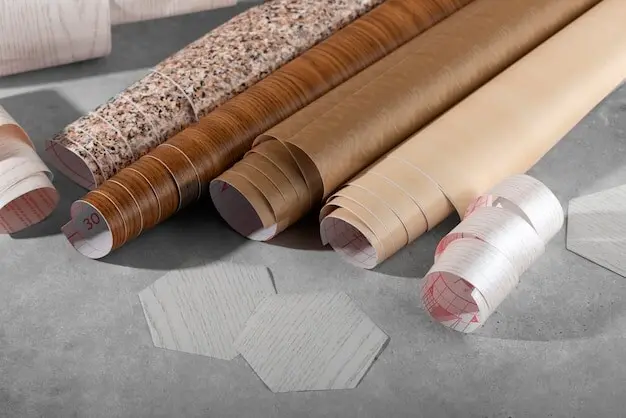
Stick, Style, and Step: Renter-Friendly Floors That Move With You

Welcome! Today we’re diving into temporary flooring for renters using peel-and-stick vinyl tiles, a smart way to refresh tired surfaces without risking your deposit. Expect practical steps, honest stories, style inspiration, and gentle guidance so your weekend upgrade looks amazing, feels resilient, and lifts your home’s mood without permanent commitments or complicated tools.

Why This Upgrade Works In Rentals

Peel-and-stick vinyl tiles deliver a rare trio for renters: style, speed, and reversibility. They go down fast, resist splashes, cushion footsteps, and can lift back up when it’s time to move out. With careful prep and attention to lease clauses, you’ll enjoy a fresh look that respects boundaries, budgets, and your peace of mind.

Tools You Actually Need

Keep it minimal: a sharp utility knife with extra blades, a straightedge, a measuring tape, a pencil, and a small hand roller or rolling pin. A microfiber mop, gentle cleaner, and lightweight patch compound finish the list. With these, you’ll achieve clean cuts, firm bonds, and tidy edges without noisy saws or specialized contractors.

Calculating Boxes And Overages

Tiles are sold by coverage per box. Compare your room’s square footage to the label, then round up to accommodate waste from trimming around corners and vents. If your layout has diagonals or complex patterns, increase overage to fifteen percent. Extras help with color consistency, future touch-ups, and peace of mind when shipping delays happen.

Mapping Patterns For Small Spaces

Pattern placement shapes perception. In narrow kitchens, run planks lengthwise to elongate sightlines. For checkerboard squares, center the pattern to avoid tiny slivers at walls. Use chalk or painter’s tape to preview joints and direction. Five minutes of mock layout can transform cramped corners into polished moments that feel planned rather than improvised.

Testing Adhesion And Removability

Apply a sample tile in a closet or behind an appliance for forty-eight hours. Observe curl, bond strength, and residue. Gently lift a corner; it should release without tearing finishes. If residue appears, consider a barrier like removable vinyl underlayment squares. This tiny experiment prevents large-scale surprises and calibrates confidence for the main event.

Smoothing Bumps And Gaps

Small seams telegraph through thin vinyl, so address them early. Scrape away paint drips, fill grout valleys to a feathered edge, and sand gently once cured. Vacuum dust meticulously. Aim for a surface that feels continuous under your palm. The smoother the base, the more convincingly your tiles mimic premium materials without visible interruptions.

Dry Runs And Layout Lines

Before peeling backing, lay several rows dry to preview spacing and transitions. Snap a centerline or use a laser to guide alignment, especially in rooms with crooked walls. Adjust until cuts at opposite edges are balanced. This subtle choreography eliminates guesswork, so the final peel sequence feels composed, steady, and pleasantly predictable all afternoon.

First Row Confidence

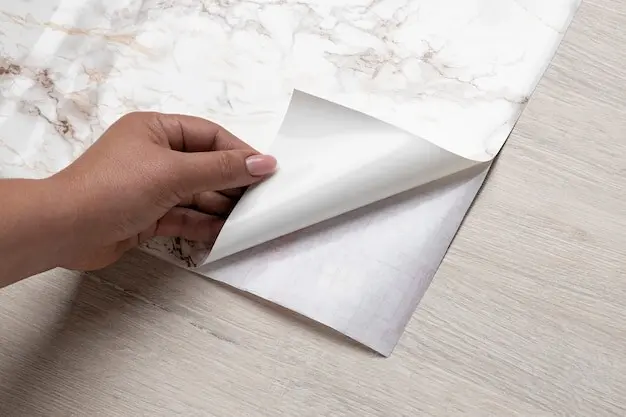
The first row sets everything. Align it with your layout line and dry-fit pieces to verify doors clear and thresholds sit flush. Peel back halfway to control placement, then press patiently. Start with full tiles if possible. When that first edge sings straight, the rest of the room follows like notes naturally resolving in tune.

Around Obstacles Without Panic

For pipes, vents, and strange angles, template with paper first. Trace, cut gradually with a sharp blade, and test repeatedly. Warm tiles slightly with a hair dryer for easier trimming. Celebrate small wins as corners click into place. Precision here prevents creeping gaps later, so your finish looks intentional rather than hurried or improvised.

Styles, Patterns, And Visual Tricks For Renters

Design choices can reshape perception and mood. Pale oak planks bounce light in dim apartments, while charcoal herringbone adds drama without repainting walls. Checkerboards nod to vintage kitchens with cheerful energy. Mix plank widths thoughtfully, align grout lines, and coordinate thresholds. When colors echo curtains or stools, spaces feel curated, personal, and genuinely welcoming.

Living With And Removing Your New Floor

Care is simple: gentle cleaners, soft tools, and swift wipe-ups. When life gets messy—pets, pasta water, sudden spills—vinyl shrugs and recovers. For move-out, warm edges, lift slowly, and clean remaining tack with approved removers. Share your before-and-afters with us; your lessons help the next renter step forward confidently and creatively.
Siralaxinilolento
Privacy Overview

This website uses cookies so that we can provide you with the best user experience possible. Cookie information is stored in your browser and performs functions such as recognising you when you return to our website and helping our team to understand which sections of the website you find most interesting and useful.